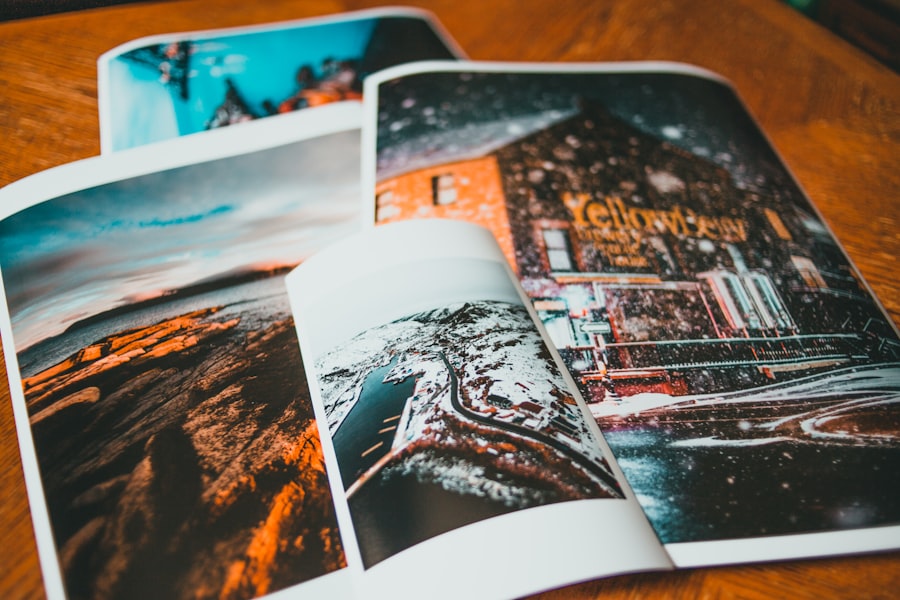
People ask us this a lot: what's the difference between a $15 poster from a big box store and a $95 print from us? About fifty years of color fidelity, for starters. But the real answer is in the details of how each one gets made. This is what happens to an artwork between the moment an artist sends us a file and the moment it arrives at your door.
File Prep and Color Proofing
Every print starts as a high-resolution digital file. For paintings and drawings, that usually means a professional drum scan or a multi-shot capture done with a Phase One digital back under controlled lighting. We need at least 300dpi at final print size, and ideally 450dpi. We work in Adobe RGB color space throughout.
Rachel does all our color proofing. She prints a 5x7 proof on the same paper we'll use for the final, holds it next to the original artwork (or the artist's reference print), and adjusts the ICC profile until the match is right. Some files need two proofs. Some need eight. A Rothko-style color field piece with subtle gradients might take a full afternoon to dial in. A high-contrast black and white drawing usually nails it on the first try.
The Paper
We use Hahnemühle Photo Rag 308gsm for about 90% of our prints. It's a 100% cotton rag paper with a lightly textured matte surface. No optical brighteners, which means the white stays white instead of yellowing over time. Hahnemühle rates it for 200+ years of color stability under proper conditions.
For photographic prints, we sometimes switch to Hahnemühle Baryta, which has a slight sheen that looks more like a traditional darkroom silver gelatin print. The artist always gets final say on paper choice. We keep both in stock in 44-inch rolls and cut to size after printing.
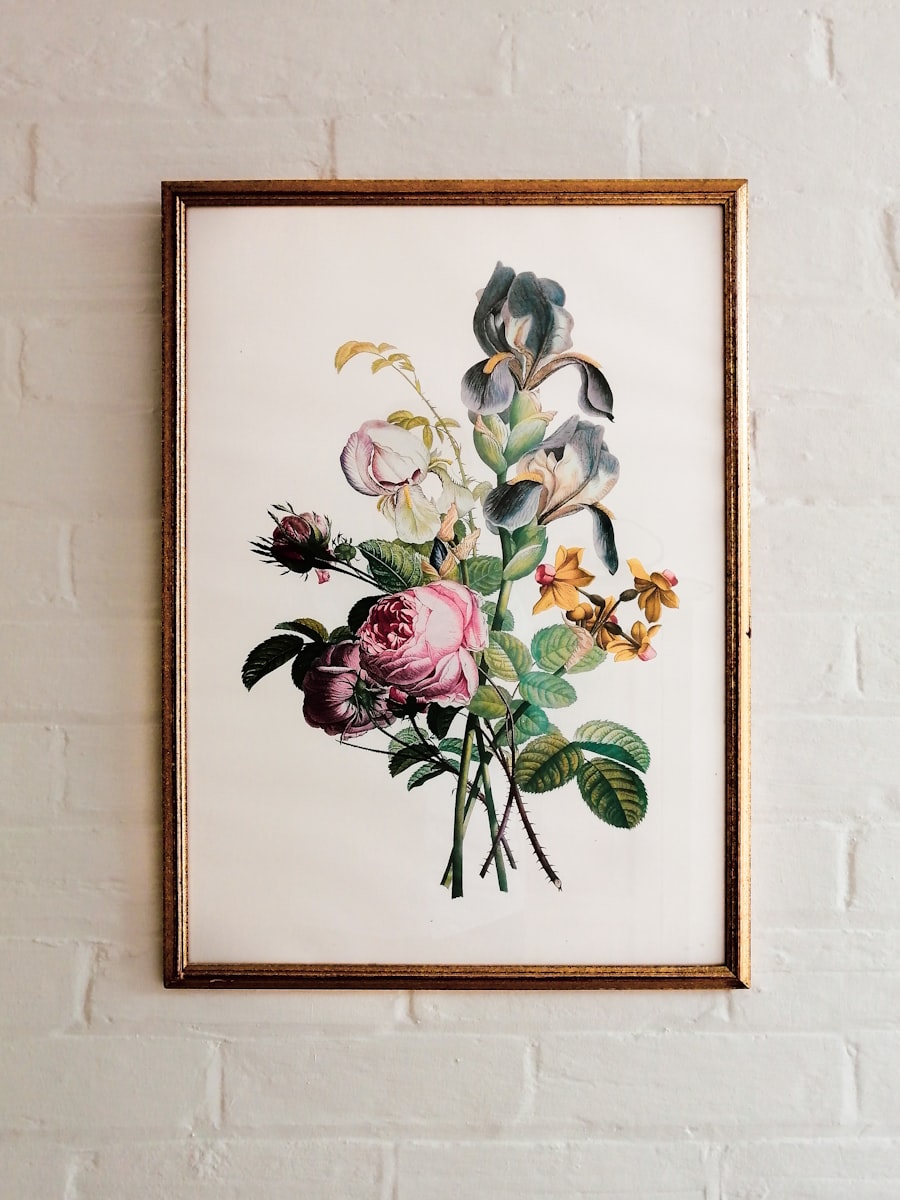
The Printer
We run a Canon imagePROGRAF PRO-4100, which is a 44-inch wide-format inkjet that uses 12 pigment ink colors (including red, blue, matte black, photo black, and gray). Pigment inks are crucial. Dye-based inks look vivid out of the printer but fade noticeably within 5-10 years. Pigment inks are rated for 100+ years on the right paper.
We calibrate the printer every morning with a spectrophotometer. Takes about 15 minutes. It sounds excessive, but ambient temperature and humidity affect ink density, and we've seen noticeable shifts between a Monday morning print and a Friday afternoon print when we skip calibration.
"There's no such thing as a print that's 'close enough.' Either it matches the proof or it goes back through the printer."
Trimming and Inspection
After printing, each sheet rests for at least two hours so the ink fully outgasses and the paper relaxes. Then Marcus trims it on a 60-inch Rotatrim cutter. We leave a half-inch border on all sides for handling and framing. Every print gets inspected under a 5000K daylight lamp for banding, ink spatter, scratches, or color drift. About 3% of prints fail inspection and get reprinted.
Packing and Shipping
We never roll prints. A rolled print has to be flattened before framing, and most people don't have the equipment or patience to do that properly. Instead, every print gets layered like this:
First, a sheet of acid-free glassine tissue over the printed surface. Then the print goes face-down on a sheet of 1/8-inch white corrugated board. Another board on top. The sandwich gets taped at the edges and slid into a rigid mailer that's 1/4 inch larger than the boards on all sides. For prints over 18x24, we add corner protectors and a "Do Not Bend" sticker, though we've found the sticker has approximately zero effect on postal carrier behavior.
Domestic orders ship USPS Priority Mail or FedEx Ground. International goes FedEx International Economy. Average transit time is 3-5 business days domestic, 7-14 international. We insure everything over $100 automatically.
What You Get
Every print arrives with a signed certificate of authenticity, the artist's name, print title, edition number (for limited editions), and our studio stamp on the back. The paper itself is embossed in the lower right corner with our blind stamp. It's subtle but it's there if you know to look for it.